SILENT SCARS: THE PSYCHOLOGICAL IMPACT OF HUMAN RIGHTS VIOLATIONS ON YOUTH IN SOUTHERN INDIAN-OCCUPIED JAMMU AND KASHMIR
SILENT SCARS: THE PSYCHOLOGICAL IMPACT OF HUMAN RIGHTS VIOLATIONS ON YOUTH IN SOUTHERN INDIAN-OCCUPIED JAMMU AND KASHMIR

INTRODUCTION
For over three decades, the Kashmir Valley has remained the site of one of the world’s most protracted conflicts, yet the experiences of those who live daily under repression remain obscured. Southern Indian-Occupied Jammu and Kashmir (IOJK), encompassing Pulwama, Shopian, Kulgam, and Anantnag has borne some of the most intense cycles of violence, marked by cordon and search operations, pellet gun injuries, arbitrary detentions, and communication shutdowns.

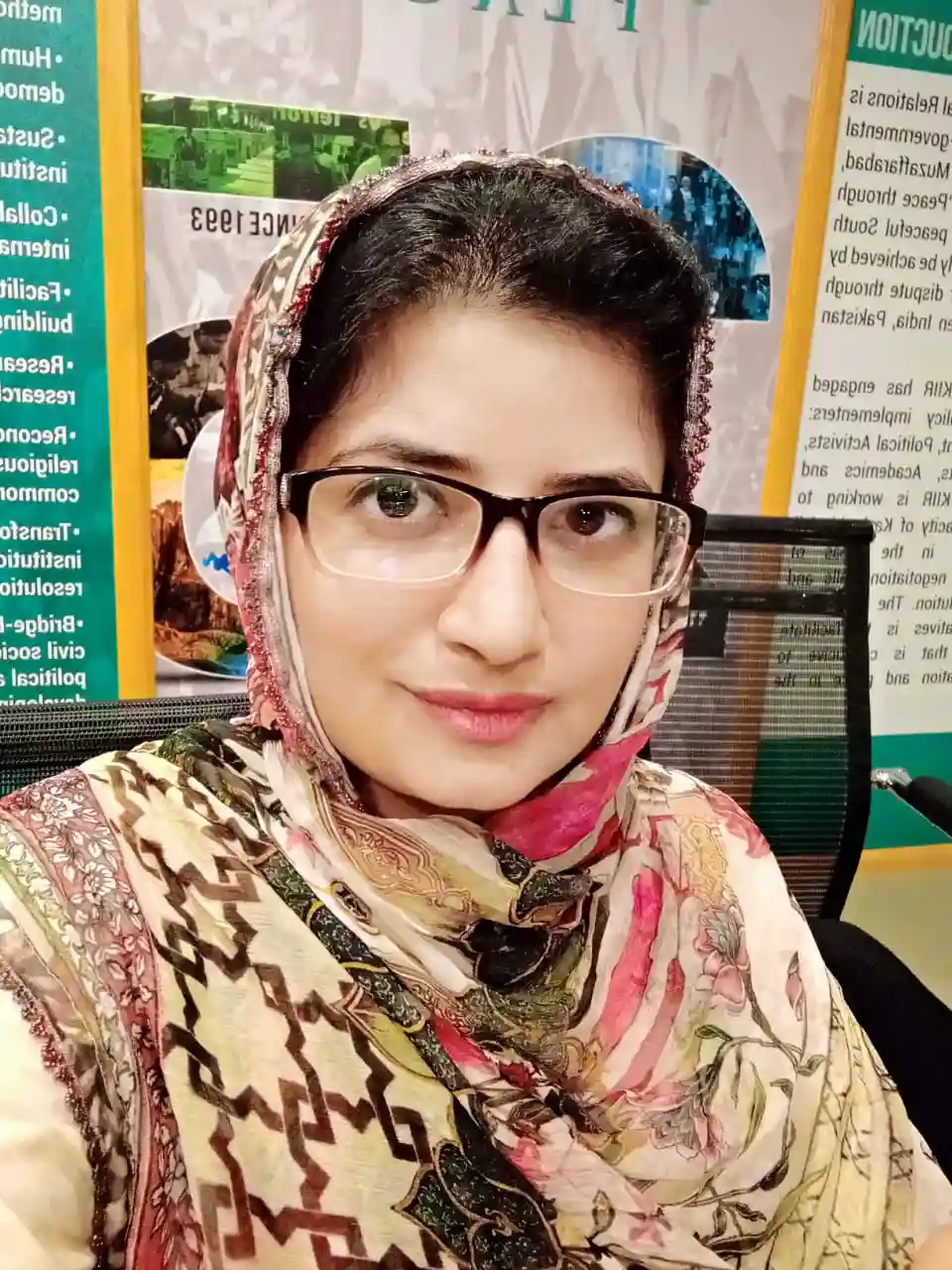
RESEARCHER: SAHER SAJJAD
While international
discourse largely frames Kashmir as a territorial dispute between India and
Pakistan, for Kashmiri youth the conflict is lived in psychological terms: as
anxiety, depression, post-traumatic stress, alienation, and disrupted identity.
The visible scars of pellet wounds are only half the story; the invisible scars
carried in memory, emotion, and self-concept are equally devastating.
The problem is starkly documented. Médecins Sans Frontières (MSF), in collaboration with the Sher-i-Kashmir Institute of Medical Sciences, conducted the largest mental health survey in 2015, revealing that 45% of adults in Kashmir exhibited significant mental distress[1], with 41% showing depressive symptoms, 26% anxiety, and 19% exhibiting PTSD-level symptoms—translating into approximately 1.6 million adults with depression and 800,000 with PTSD[2].
Among youth, the burden is equally alarming: a 2022 study of young adults ages
18–25 in border districts found that 94% of participants reported perceived
stress, 34% anxiety, and 31% depression, particularly
elevated among those living near the LoC[3].
These figures do not reflect isolated trauma but rather the cumulative impact
of night raids, enforced disappearances, curfews, and prolonged internet
outages features of a militarized environment that disrupt education,
employment prospects, and family stability.
The objectives of this research are
threefold; first, to analyze how human rights violations manifest in the
psychological experiences and self-concept of Kashmiri youth; second, to
explore how sustained exposure to trauma shapes identity, belonging, legitimacy
perceptions, and in some cases susceptibility to radical narratives; and third,
to document coping strategies and sources of resilience that youth deploy amid
repression.
The gap in existing scholarship is
clear. While clinical and epidemiological studies confirm the scale of mental
health burdens, few studies focus specifically on youth, the group most
vulnerable to identity crises and developmental disruptions. Moreover, where
youth are included, research often stops at prevalence rates without analyzing
how trauma interacts with identity, belonging, or pathways toward
radicalization. Finally, few works systematically incorporate digital
self-narratives, first-person testimonies, interviews, and statements publicly
available online as a central source of evidence. This research addresses that
gap by centering the voices of Kashmiri youth themselves, using their words to
illuminate the psychological and social consequences of human rights violations.
The significance of this study lies
in both academic and practical domains. Academically, it contributes to human
rights and conflict studies by reframing the Kashmir conflict as not only
political or territorial but psychological and generational. Practically, the
findings underscore the urgency of designing trauma informed policies; without
addressing the mental health and identity disruption of Kashmiri youth,
sustainable peace or reintegration efforts will remain elusive. By documenting
coping strategies and resilience, the study also offers entry points for
interventions that affirm dignity and agency rather than perpetuating
victimhood.
Methodologically, this research uses a qualitative interpretive design grounded in digital self-narratives. Core empirical sources include MSF’s Kashmir Mental Health Survey, reports by Amnesty International, Human Rights Watch, and the Jammu Kashmir Coalition of Civil Society (JKCCS). Media testimonies include AP News interviews with youth patients, Al Jazeera’s feature on Kashmir’s mental health crisis, and The Quint’s video narratives of pellet victims. These are further anchored by peer-reviewed, survey based research most notably Housen et al. (2017, 2019) on anxiety, depression, and PTSD in Kashmir, as well as Shoib et al. (2014).
This
study employs a hybrid methodology. Critical Discourse Analysis (CDA) is
applied to official and media narratives on Kashmir, revealing how language
frames and normalizes state violence. Simultaneously, a narrative and thematic
approach is used to interpret victim testimonies from sources such as The
Quint and Amnesty International, thereby situating structural discourse
alongside lived realities. Ethical safeguards include citing only public
sources, anonymizing individuals when needed, and paraphrasing where a direct
quote could endanger speakers.
The theoretical framework integrates
three lenses. Psychosocial trauma theory explains how cumulative exposure to
violence produces chronic psychological harm and identity rupture. The human
rights based approach to mental health situates mental health within the
broader framework of fundamental rights, framing its denial as a violation in
itself. Social identity theory provides tools to analyze how repression
reshapes in group/out group perceptions, belonging, and susceptibility to
radical ideologies. Together, these frameworks ensure the analysis does not
merely catalog symptoms but interprets their social meaning.
In sum, this study asks; How do
human rights violations manifest in Kashmiri youths’ psychological experiences
and self-concept? How does trauma reshape identity, belonging, legitimacy, and
vulnerability to radical narratives? And what coping strategies sustain
resilience amid repression? The following analysis addresses these questions
through evidence rich, youth-centered interpretation.
PSYCHOLOGICAL
EXPERIENCES AND SELF-CONCEPT
The psychological toll of conflict
on Kashmiri youth has been described as an “epidemic of silent suffering”.
While curfews, detentions, and pellet injuries are visible scars of repression,
the deeper wounds manifest in invisible ways: anxiety, depression, and
fractured self-concepts. Among youth, distress is not temporary but chronic,
shaped by cycles of militarization and uncertainty that permeate every domain
of life family, education, and social belonging.
Instead of appearing as isolated
symptoms, trauma in Kashmir emerges through lived narratives. The Quint’s
video “The Dead Eyes of Kashmir” presents testimony from a teenage boy
blinded by pellets, who reflects: “When I look into the mirror, I do not see
myself anymore, I see their violence on my face[4].”
This haunting statement shows how physical injuries become internalized as
psychological scars, distorting self-perception and identity. Similarly, one
teenager described the depth of her fear during night raids, saying the impact
“felt like breath was stolen,” a sentiment captured in Al Jazeera’s coverage of
mental health under continued repression. These testimonies illustrate classic
hallmarks of trauma hypervigilance, intrusive fears, and the erosion of safety
in one’s own body and home.
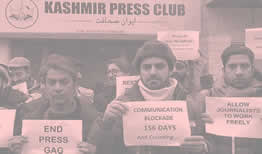
Communication blackouts exacerbate
this inner rupture. The JKCCS Internet Siege Report (2020) highlights
how young people in Kashmir endured profound isolation during prolonged
internet shutdowns, as their education, social connections, and career
opportunities were abruptly cut off[5].
Similarly, the narrative of lockdowns is telling; “For six months, the
Himalayan region faced an internet blackout and security lockdown that
adversely affected the Kashmir Valley’s nearly eight million people[6].”
These realities provide the backdrop for the deeply entrenched sense of
isolation, anxiety, and fractured identity among Kashmiri youth.
Psychosocial trauma theory helps
interpret these narratives. Adolescence and early adulthood, normally stages
for experimentation and identity building, have instead become suspended in a
liminal state of fear and responsibility. Youth describe feeling “neither
children nor adults,” burdened by premature exposure to violence while denied
the freedoms of maturity. This disrupted developmental trajectory undermines
self-esteem, future orientation, and trust in institutions.
Thus, the first finding is that
human rights violations in IOJK manifest not only as clinical disorders but as
fractured self-concepts. Humiliation, fear, and uncertainty become defining
features of identity. For Kashmiri youth, personal narratives and selfhood are
colonized by violence, such that their sense of “who I am” cannot be
disentangled from the conflict that surrounds them.
IDENTITY,
BELONGING, LEGITIMACY, AND RADICAL NARRATIVES
This part explores how trauma
reshapes Kashmiri youth identity, their sense of belonging, and perceptions of
legitimacy, while also influencing susceptibility to radical narratives. Social
identity theory is instructive here: when an in group perceives sustained
repression by an out-group, identity hardens around victimhood, survival, and
resistance.
In Kashmir, the testimonies of youth
speak louder than any statistic. At a Pulwama town hall, a young voice rose
above the silence: “How can we believe in their democracy when every night
they enter our homes? This is not democracy it is occupation.” What, after
all, is the meaning of democracy if it comes hand in hand with fear at the
doorstep? His words capture a painful truth: when violence becomes the language
of governance, trust in the state dissolves.
Al Jazeera, too, recorded the cries
of a generation that calls itself betrayed: “If we cannot study, cannot
speak, cannot protest, then what rights do we have left?” When youth ask
such questions, are they not pointing to the hollowing of citizenship itself?
Their identities once students, dreamers, citizens begin to fracture, reshaped
into “resisters” or even “outsiders,” denied entry into the very community that
proclaims sovereignty over them.[7]
The JKCCS Internet Siege Report
(2020) lays bare another weapon of control: silence through shutdown. Stripped
of education, stripped of opportunity, young Kashmiris are left with a gnawing
sense of abandonment, as though the state has not merely blocked their access
to the world but dismantled their future brick by brick. Is this not, in the
language of human rights, the erosion of citizenship itself the slow fracture
of belonging?[8]
The aftermath of Burhan Wani’s
killing in 2016 deepened this rupture. Reports noted how humiliation, endless
raids, and shattered trust in institutions drove dozens into militant ranks.
Most Kashmiri youth do not choose that path yet what does it say when the
figure of the “martyr” or the “fighter” becomes the only identity left to
claim, when the role of citizen or student is denied? As one young man in
Shopian told a reporter: “When you are treated as an enemy since childhood,
eventually you start thinking like one.” And is that not the most damning
indictment of all that a generation is taught to see itself not as part of the
nation, but as its adversary?
Thus, the second finding is clear: human rights violations do not only cause psychological distress but also reshape identity and belonging. Youth move from self-concepts grounded in growth and citizenship to those rooted in victimhood and resistance. In this fractured landscape, radical ideologies exploit trauma, turning despair into mobilizing anger.
COPING
STRATEGIES AND RESILIENCE
Even amidst pervasive trauma,
Kashmiri youth demonstrate remarkable resilience, finding ways to survive and
sustain hope under prolonged repression. This research question examines the
strategies that allow youth to navigate daily life in a context marked by fear,
uncertainty, and structural violence.
Studies suggest that faith, family
support, and cultural practices form the backbone of coping mechanisms.
Religious rituals, prayer, and collective spiritual practices offer
psychological relief, while extended family networks provide solidarity and
shared emotional labor, allowing youth to process trauma within familiar social
frameworks.
Digital narratives and testimonies
reinforce these findings. Many youth describe small, everyday practices,
prayer, humor, or communal storytelling as essential tools for survival.
Through these acts, they reclaim a sense of agency and maintain social bonds
even when the external world is fractured. Creativity, too, has emerged as a
powerful avenue for resilience. Poetry, rap, and digital art offer outlets for
emotional expression and identity assertion. Kashmiri rapper MC Kash, for
example, transforms trauma into lyrical resistance, enabling listeners to feel
less isolated and more understood.
However, resilience is not without
its limits. Substance abuse has emerged among Kashmiri youth as a maladaptive
coping strategy to numb the psychological pain of prolonged conflict and
instability. A 2025 study of 150 youths in Kashmir linked addictive behavior to
social factors such as age, education, and occupation[9]
. Similarly, The Kashmir Horizon reported that over 1.2 million young people in
Jammu and Kashmir use drugs, including synthetic substances like heroin mixed
with toxic chemical[10].
These findings highlight how trauma and systemic pressures push youth toward
harmful coping mechanisms, emphasizing the need for community based and trauma
informed interventions.
What distinguishes Kashmiri youth is
the collective dimension of resilience. Unlike Western paradigms that
focus on individual coping, youth here rely heavily on community, family, and
shared cultural narratives. This insight underscores the importance of
interventions that strengthen communal support, foster cultural expression, and
integrate faith-based practices.
Ultimately, the third finding
highlights a dual reality: trauma persists, but so does resilience. Faith,
humor, familial bonds, and creative expression serve as protective buffers,
sustaining youth in the face of systemic repression, even as maladaptive coping
reveals the profound limits imposed by prolonged conflict.
SOLUTIONS
1.
Community-Based
Mental Health Hubs in Mosques and Schools
One of the most effective approaches
to address the silent trauma of Kashmiri youth is the establishment of mental
health hubs within mosques and schools. These are the most trusted local spaces
where youth naturally gather, making them accessible and less stigmatizing
compared to formal psychiatric clinics. In a society where discussing
psychological distress is often considered taboo, embedding counseling services
in religious and educational institutions can normalize help-seeking behavior.
Faith leaders and teachers, after receiving basic training in psychological
first aid, can serve as the first point of contact for distressed youth. These
hubs would combine counseling sessions, group therapy, and faith-based
reassurance to foster resilience. Importantly, their community-based nature
reduces the fear of surveillance or state reprisal, since youth are simply
visiting places, they already frequent are. By localizing mental health
support, these hubs provide safe, confidential, and culturally appropriate
interventions, thus bridging the gap between clinical mental health frameworks
and Kashmiri socio religious realities.
2.
Digital
Storytelling Platforms
Kashmiri youth live in an
environment where their voices are systematically silenced, and speaking openly
about trauma can invite danger. In this context, secure digital storytelling
platforms can act as powerful therapeutic and advocacy tools. These online forums
would allow Kashmiri youth to share testimonies anonymously poetry, short
essays, artwork, or even recorded voice messages without fear of state
retaliation. Beyond catharsis, such platforms transform personal pain into
collective memory, ensuring that trauma is neither erased nor forgotten.
International human rights organizations could partner with local Kashmiri NGOs
to maintain these repositories, framing them not only as spaces of healing but
also as documentation for global advocacy. Over time, these platforms could
serve as archives of lived experiences, challenging narratives that minimize or
deny the scale of violations. Importantly, the act of storytelling helps youth
process trauma, build solidarity, and feel a sense of agency in shaping their own
narrative rather than being reduced to passive victims.
3.
Art-Therapy
Exchanges
In Kashmir, where censorship
restricts speech and protest, art emerges as a subtle yet powerful form of
resistance. Institutional support for art-therapy through rap, poetry slams,
painting workshops, and theater groups can provide youth with constructive
outlets to process trauma. These programs can be organized as "art-therapy
exchanges," where local Kashmiri artists collaborate with regional and
international art communities to share experiences, techniques, and platforms.
For example, Kashmiri rap music, which already serves as a form of underground
resistance, can be institutionalized into therapy programs that combine lyrical
expression with guided counseling. Similarly, visual art exhibitions could
provide safe spaces for expression, framing creativity as both healing and
defiance. By channeling pain into artistic production, youth not only regain
psychological stability but also preserve dignity amidst repression. Art therapy
thus merges cultural identity with resilience, ensuring that healing is not
detached from the broader Kashmiri struggle for justice.
4.
Micro Scholarship
Programs During Internet Shutdowns
Frequent communication blackouts in
Jammu and Kashmir create additional psychological strain by disrupting
education and isolating youth from the outside world. To counter this,
micro-scholarship programs that operate during internet shutdowns can be life
changing. Local NGOs, supported by international donors, can distribute offline
study kits containing textbooks, recorded lectures, and USB drives with
preloaded materials. These can be paired with community tutors often senior
students or retired teachers—who provide in-person guidance. Such initiatives
not only reduce academic disruption but also protect youth from the despair of
wasted years, which often fuels depression and hopelessness. By sustaining
educational continuity, these programs reaffirm a sense of purpose and agency
among Kashmiri youth, countering the psychological effects of helplessness
imposed by state control over digital infrastructure. Small-scale scholarships
and stipends can further incentivize participation, offering symbolic
recognition of the resilience of Kashmiri students.
FINDINGS
The findings reveal that youth in
Southern Indian-occupied Jammu and Kashmir suffer profound psychological
consequences due to ongoing human rights violations, including arbitrary
detentions, militarization of civilian spaces, enforced disappearances, and restrictions
on movement. These violations not only disrupt their daily lives but also
create a climate of perpetual fear and uncertainty. Interviews and secondary
reports consistently highlight elevated rates of anxiety, depression, and
symptoms consistent with post traumatic stress disorder (PTSD). The recurring
exposure to violence and systemic repression has normalized trauma, leaving
young people in a state of psychological vulnerability.
A critical interpretation of these
findings suggests that the trauma is not episodic but chronic and structural,
stemming from the militarized environment itself. The militarization of
schools, checkpoints, and neighborhoods has eroded the sense of safety that is
essential for psychological stability. Importantly, these impacts extend beyond
individual mental health; they are shaping collective identity and
intergenerational outlooks, with young Kashmiris internalizing feelings of
marginalization, injustice, and alienation from the state.
Furthermore, daily stressors such as
curfews, internet shutdowns, and economic disruption act as mediating factors
that worsen mental health conditions. Rather than allowing youth to develop
resilience, these conditions exacerbate a cycle of helplessness. International
human rights reports corroborate that these persistent stressors amplify long
term psychological scars, which could lead to radicalization or social
withdrawal if left unaddressed.
In sum, the findings interpret the
Kashmiri youth experience as one of silent suffering, where mental
health damage is both an immediate humanitarian crisis and a long-term
challenge for peace and stability in the region.
CONCLUSION
The study demonstrates that human
rights violations in Southern IOJK deeply scar Kashmiri youth. Psychological
trauma manifests as depression, anxiety, and fractured self-concepts; identity
and belonging are reshaped by humiliation and exclusion, sometimes fueling
susceptibility to radical narratives; yet resilience persists through faith,
family, humor, and art. These findings highlight that Kashmir’s conflict is not
only territorial but psychological, threatening to create a lost generation
unless mental health and dignity are prioritized. Interventions must go beyond
security or diplomacy to include trauma informed, rights based approaches that
empower youth as agents of resilience. Without healing these silent scars,
sustainable peace will remain an illusion.
REFERENCES
Al Jazeera. 2016. “Kashmir’s Mental Health Crisis.” September 3, 2016.
Al Jazeera. 2019. “In Kashmir, a Year of Misery.” August 5, 2020.
Housen, Tambri, et al. 2019. “Trauma in the Kashmir Valley and the Mediating Effect of Daily Stressors.” Conflict and Health 13(1): 58.
Housen, Tambri, et al. 2017. “Prevalence of Anxiety, Depression and PTSD in the Kashmir Valley.” BMJ Global Health 2(4): e000419.
JKCS (Jammu Kashmir Civil Society). 2019. Substance Abuse in Kashmir: A Growing Crisis. Srinagar: JKCS.
JKCCS (Jammu Kashmir Coalition of Civil Society). 2020. Kashmir’s Internet Siege: A Human Rights Perspective. Srinagar: JKCCS.
Médecins Sans Frontières (MSF). 2015. Kashmir Mental Health Survey. New Delhi: MSF India.
The Kashmir Horizon. 2025. “Drug Addiction Consuming Youth in J&K.” February 25, 2025.
esearchGate. 2025. Dar, S., & Deb, S. “Drug Addiction among Youth in Kashmir.” Journal of the Indian Academy of Applied Psychology
[2] https://apnews.com/article/photos-mental-health-clinics-kashmir-conflict-0a7cabe97c874a5c3e2884ebaf2718bb
[3] Perceived stress, anxiety and depression : Living along the border in Jammu and Kashmir - PubMed
[5] https://globalfreedomofexpression.columbia.edu/wp-content/uploads/2020/09/Kashmirs_Internet_Siege.pdf?utm_source=chatgpt.com
[7] https://www.aljazeera.com/news/2020/7/2/why-a-growing-number-of-kashmiri-youth-are-picking-up-guns
[8] https://globalfreedomofexpression.columbia.edu/wp-content/uploads/2020/09/Kashmirs_Internet_Siege.pdf?utm_source=chatgpt.com
[10] https://thekashmirhorizon.com/
Related Research Papers